September 1, 2026
Water heaters are essential components in modern households, providing the comfort and convenience of readily available hot water for various uses like showering, cooking, and cleaning. The debate on whether to choose a tankless or traditional water heater has become more prevalent as consumers seek options that best fit their needs. Understanding the differences can guide homeowners towards making an informed decision that takes into account efficiency, performance, and cost-effectiveness. With advancements in technology and increased environmental awareness, the decision between these two types of water heaters holds significant importance. This article explores both options, highlighting their design, function, advantages, and limitations to assist in determining which model is the right fit.
Understanding Traditional Water Heaters
Mechanical Design and Functionality
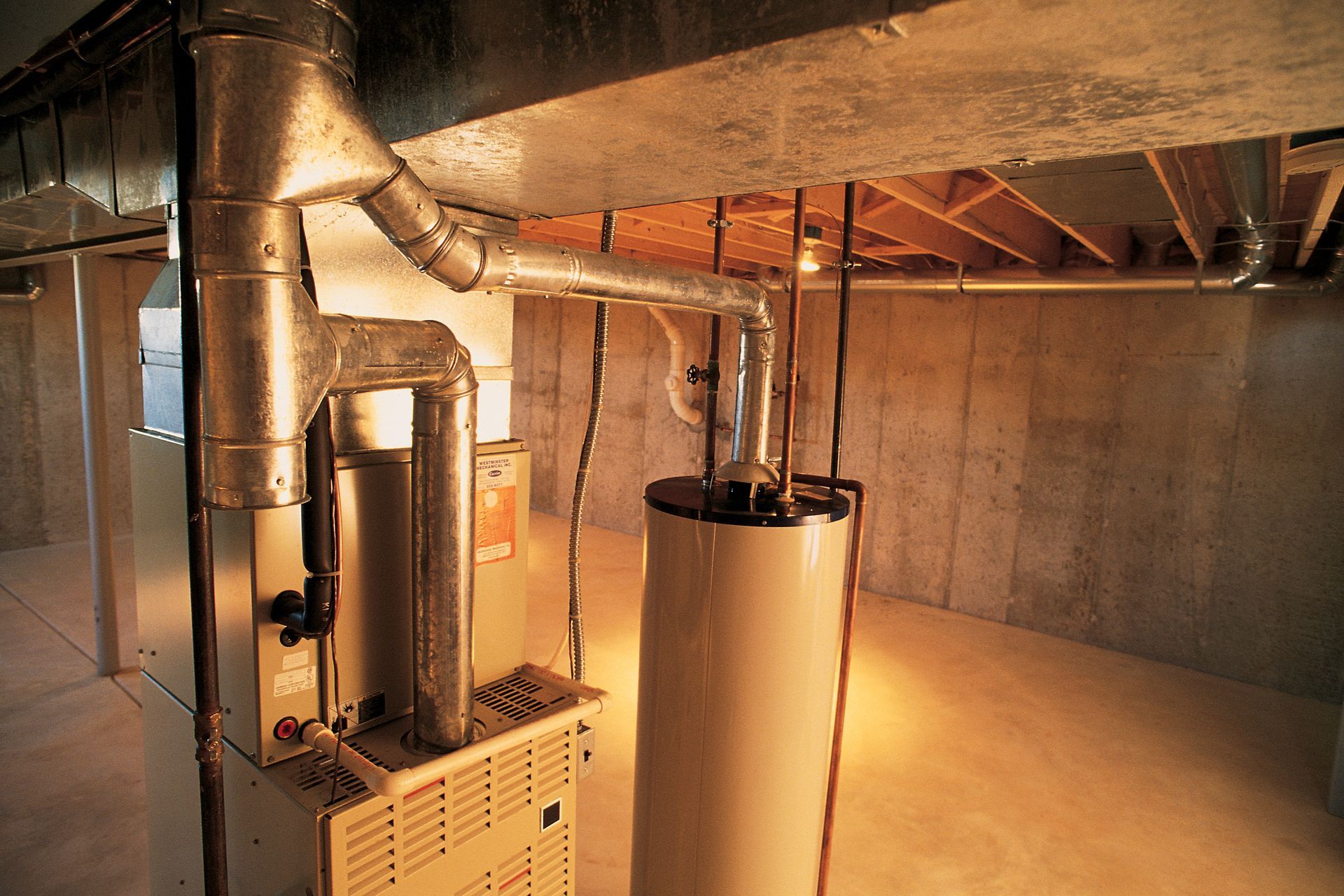
Traditional water heaters, also known as storage water heaters, rely on a large insulated tank where water is stored and heated. These tanks come in various capacities, typically ranging from 20 to 80 gallons, to accommodate different household sizes and usage patterns. The heater works by using either electric or gas energy to maintain a constant temperature, ensuring hot water is available when needed. Despite their bulky nature, these storage tanks effectively manage household demands without significant fluctuations in water temperature. The design simplicity has made them a staple in many homes, ensuring reliable hot water supply over decades.
Energy Efficiency and Consumption
Traditional water heaters have historically been less energy-efficient compared to their tankless counterparts. The constant need to keep a large volume of water heated and ready for use results in continued energy consumption, even when hot water is not in active use. Standby heat loss is a common issue, particularly in older models or poorly insulated tanks, leading to wasteful energy expenditure. While professional water heater installations for high-efficiency models have improved over time, traditional heaters generally lack the energy savings potential that newer technologies offer, leading to higher utility bills over the appliance's lifespan.
Pros and Cons
The major advantage of traditional water heaters lies in their upfront affordability and widespread availability of cheaper replacement parts. Standard water heater installations are typically straightforward and require fewer modifications to existing plumbing systems. However, the drawbacks include their larger physical footprint, higher energy consumption, and inherent inefficiencies related to standby heat loss. Additionally, their lifespan averages between eight and 12 years, according to The Spruce, which is notably shorter than tankless models. Homeowners often face the challenge of balancing lower initial costs with potentially higher long-term expenses due to less efficient operation and more frequent replacements.
Exploring Tankless Water Heaters
How They Operate
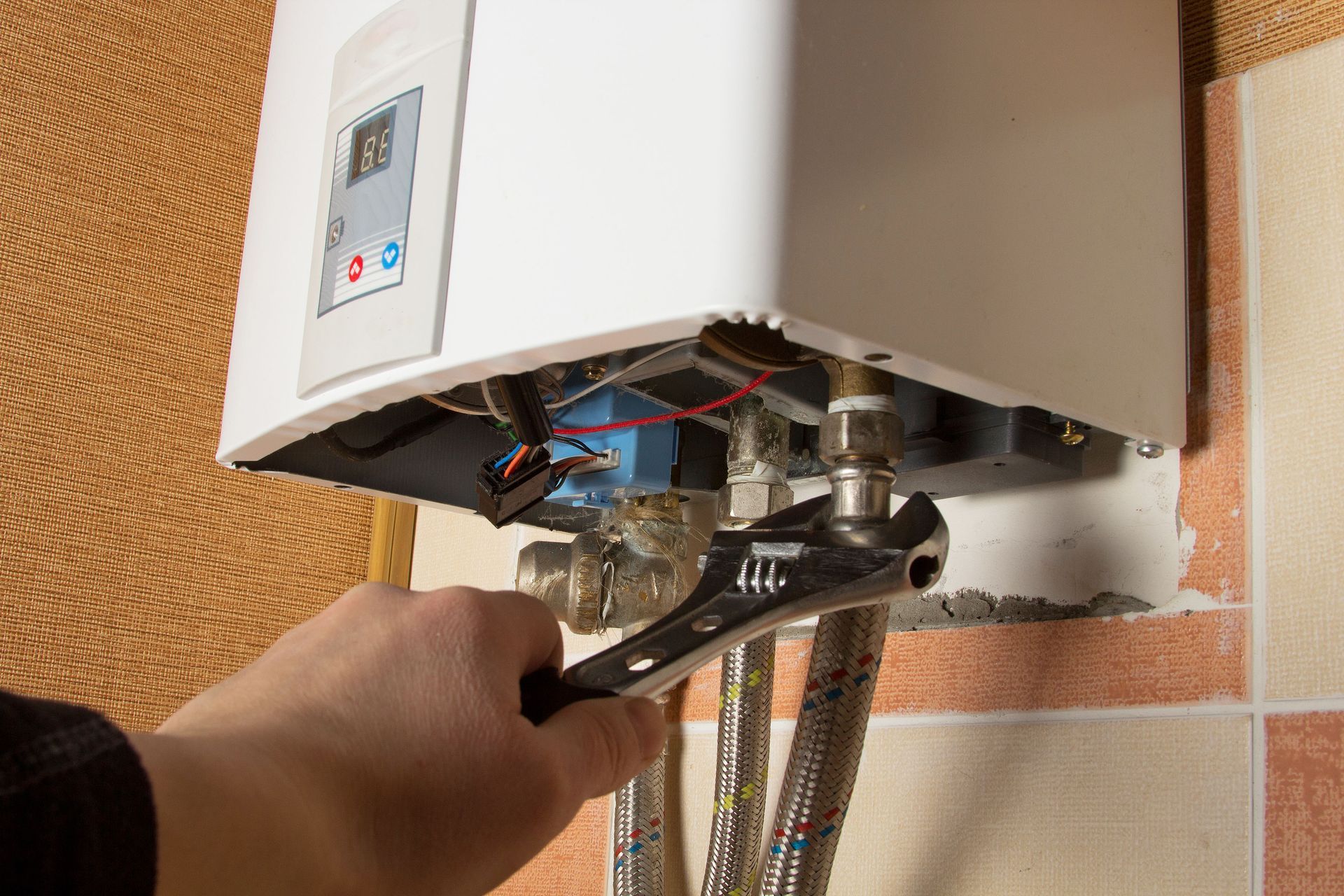
Tankless water heaters, or on-demand water heaters, offer a modern solution by heating water directly without the use of a storage tank. When a hot water tap is turned on, cold water travels through a pipe into the unit, where it's heated by an electric element or gas burner. This eliminates the need for a waiting period, as hot water is delivered almost instantaneously. The compact design of tankless systems allows for flexible options when planning water heater installations, such as mounting on walls or in tight spaces. This technology provides a continuous supply of hot water as long as it remains within the unit's capacity.
Energy Efficiency and Usage
Tankless water heaters offer superior energy efficiency due to their on-demand operation, which significantly reduces standby energy losses. Unlike traditional models, they do not require energy to maintain a large reservoir of hot water, leading to decreased operational costs over time. Although retrofitting tankless water heater installations involves a higher initial investment, this efficiency can translate to substantial savings on energy bills, particularly in high-usage households. The ability to selectively heat water as required also aligns with eco-friendly practices, contributing to reduced overall energy consumption. As a result, tankless systems have gained popularity among environmentally conscious homeowners seeking long-term solutions.
Advantages and Limitations
The evident advantages of tankless water heaters include their higher efficiency, space-saving design, and ability to deliver endless hot water. They are especially appealing in homes with limited space or where multiple water fixtures are used concurrently. However, tankless systems can be limited by their flow rates, as they are unable to provide sufficient hot water during peak demand periods. Additionally, complex tankless water heater installations require higher upfront costs, including potentially extensive plumbing modifications and electrical upgrades. Despite these limitations, the investment in tankless technology often results in long-term benefits and satisfaction for many homeowners.
Comparing Energy Efficiency and Environmental Impact
Energy Consumption Differences
The energy consumption profiles of tankless and traditional water heaters differ significantly, affecting both utility costs and environmental impact. Traditional models operate continuously, maintaining a reserve of hot water, which leads to constant energy use irrespective of actual demand. In contrast, tankless systems minimize this wastage by activating only when hot water is needed, providing considerable energy savings. Choosing proper water heater installations that prioritize energy performance is particularly meaningful in regions where energy resources are scarce, or costs are high. For households keen on minimizing their carbon footprint, tankless water heaters provide an attractive energy-conscious option.
Potential Energy Savings
Potential energy savings from using tankless water heaters play a crucial role in their increasing popularity. While the initial costs may seem daunting, many homeowners realize a reduction in energy expenses, contributing to overall household savings. Upgrading to modern water heater installations can lead to up to 30% savings on water heating energy use, substantially lowering monthly utility bills. These savings compound over time, often resulting in a return on investment that surpasses the initial cost disparity with traditional systems. For eco-conscious and budget-sensitive consumers, tankless systems offer significant financial and environmental advantages.
Performance and Capacity Considerations
Heating Speed and Water Pressure
Heating speed and water pressure are critical factors when evaluating water heaters, influencing overall user satisfaction. Traditional water heaters excel in delivering consistent water pressure due to their storage capacity, providing reliable service during peak demand. In contrast, tankless water heaters heat water on-demand, offering instantaneous hot water supply but may struggle with simultaneous output in larger households. Proper sizing during initial water heater installations is essential for tankless systems to ensure they meet a home's demand, avoiding disappointing performance during high usage. By correctly assessing household water needs, users can enjoy optimal heating speed and pressure regardless of heater type.
Capacity for Household Size
Matching a water heater to a household's size and lifestyle is crucial to ensuring a reliable hot water supply. Traditional water heaters, with their large storage tanks, can easily meet the needs of larger families or homes with extensive simultaneous water usage. Meanwhile, tankless heaters require careful planning to match output capacity to demand, often necessitating multiple units for larger homes. This attention to sizing ensures consistent service, preventing frustrating interruptions in hot water availability. Accurate assessments of family size, usage patterns, and peak demands are essential to selecting the appropriate system that provides optimal capacity.
Choosing between a tankless and traditional model depends on your budget, household size, and long-term energy goals. While traditional units offer lower upfront costs and simple setup, tankless models deliver superior energy efficiency, space savings, and endless hot water. Investing in professional water heater installations ensures your preferred system is correctly sized and safely installed for maximum comfort and reliability.
Upgrade your home's hot water comfort today by contacting the expert team at ZSL Plumbing to schedule your service consultation!