May 13, 2026
Water is an essential part of daily life, yet its quality can be affected by contaminants that are not always visible. Installing water filtration systems in homes has become increasingly important for families that want cleaner, safer water for drinking, cooking, bathing, and cleaning.
Common Water Contaminants
A. Types of Common Water Contaminants
Water can contain a variety of contaminants, including biological, chemical, and physical substances. Biological contaminants like bacteria and viruses can pose serious health risks. Chemical contaminants such as lead and mercury may come from industrial pollution, aging pipes, or other environmental sources. Physical contaminants, although not always directly harmful, can affect the taste, smell, and appearance of water.
B. Health Risks Associated With Contaminants
Contaminated water can lead to a range of health problems, from gastrointestinal illnesses to neurological concerns. Long-term exposure to certain chemicals has been linked to cancer and developmental issues in children. Even small amounts of contaminants like lead can have significant health effects, particularly for vulnerable groups. According to Cognitive Market Research, the U.S. is the largest single-country market for home water filtration systems, holding 25.30% of the global market in 2025. By reducing contaminants, water filtration systems play a vital role in protecting household health.
C. Sources of Water Pollution
Water pollution can originate from agricultural runoff, industrial discharge, stormwater, and aging municipal infrastructure. Pesticides and fertilizers used in agriculture can seep into water supplies, while industrial activity may release hazardous chemicals. Urban areas also contribute to pollution through runoff that carries contaminants into waterways. Water filtration systems act as a final barrier before water reaches the tap.
D. Regulatory Standards for Water Quality
Government agencies set standards for public water quality, but household filtration can provide added protection. In the United States, the Environmental Protection Agency sets limits on contaminant levels in public water systems. Still, water quality may vary based on location, plumbing conditions, and local treatment practices. Water filtration systems help families add another layer of defense for everyday use.
E. How Filtration Addresses Contaminants
Different filtration methods target different water quality issues. Activated carbon filters can reduce chlorine, odors, and organic compounds. Reverse osmosis systems can help reduce heavy metals, nitrates, and other dissolved contaminants. Ultraviolet purification targets biological contaminants such as bacteria and viruses. Because households face different water concerns, the right filtration setup depends on testing results and daily water needs.
Health Benefits of Filtered Water
A. Improved Digestive Health
Filtered water can support digestive health by reducing exposure to harmful bacteria, toxins, and chemical residues. Clean water helps lower the risk of illnesses that can disrupt gut function. It can also make daily hydration more appealing by improving taste and odor. For many families, water filtration systems make it easier to drink more water throughout the day.
B. Enhanced Skin Health
Unfiltered water may contain impurities that irritate the skin, especially for people with dryness, sensitivity, eczema, or acne. Chlorine, often used in water treatment, can strip the skin of natural oils and contribute to discomfort. Filtered water may help reduce exposure to certain irritants during bathing and washing. This can make daily hygiene routines feel gentler on the skin.
C. A Stronger Foundation for Wellness
Access to clean water is important for hydration, digestion, circulation, and overall wellness. Contaminated water can introduce pathogens or unwanted substances that place extra stress on the body. By reducing these risks, water filtration systems support healthier routines at home. Clean water is also essential for preparing food, mixing infant formula, and caring for household members with sensitive health needs.
D. Reduction in Waterborne Illnesses
Waterborne illnesses remain a concern when harmful pathogens are present. Filtration and purification methods can help reduce the risk of exposure to bacteria, parasites, and other contaminants. This is especially important for private well users, households with aging plumbing, or communities affected by water quality alerts. A reliable filtration system can provide peace of mind during daily water use.
E. Support for Mental and Physical Performance
Proper hydration supports concentration, energy, and physical performance. When water tastes or smells unpleasant, people may drink less than they should. Filtered water can encourage healthier hydration habits by making tap water more enjoyable. Water filtration systems give households a convenient source of clean water for workdays, workouts, school routines, and everyday activities.
Types of Water Filtration Systems
A. Activated Carbon Filters
Activated carbon filters are one of the most common types of water filtration systems. They work by trapping certain contaminants on a porous carbon surface, which can reduce chlorine, odors, and some organic compounds. These filters are often affordable and easy to maintain. While they may not remove every contaminant, they are a practical option for improving taste and everyday water quality.
B. Reverse Osmosis Systems
Reverse osmosis systems use a semi-permeable membrane to separate many dissolved impurities from water. They are often used to reduce heavy metals, nitrates, and other contaminants that may not be addressed by basic filtration alone. These systems may cost more upfront and may require professional installation. For households with more serious water quality concerns, reverse osmosis can be a valuable option.
C. Ultraviolet Purification
Ultraviolet purification uses UV light to target bacteria and viruses without adding chemicals to the water. It is often paired with other filtration methods because UV treatment does not remove sediment, metals, or chemical contaminants. UV systems typically require clear water to work properly. When used in the right setting, they can provide strong added protection against biological contaminants.
D. Ceramic Filters
Ceramic filters use a porous ceramic material to trap particles and certain pathogens. They can be effective for reducing bacteria and protozoa, though they may not address viruses or chemical contaminants on their own. These filters are durable and can often be cleaned and reused. Ceramic filtration may be useful for basic water quality needs or portable filtration setups.
E. Pros and Cons of Each System
Each filtration option has strengths and limitations. Activated carbon filters are convenient and affordable, but they may not address all contaminants. Reverse osmosis systems offer broader filtration, but they can cost more and may require more maintenance. UV purification provides chemical-free disinfection, while ceramic filters offer a simple and reusable option. Comparing these choices can help homeowners select the system that fits their water quality concerns.
Installation and Maintenance of Filtration Systems
A. Choosing the Right System for Your Home
Selecting the right system starts with learning what is in the water. Testing can help identify contaminants that need to be reduced. Families should also consider household size, budget, maintenance requirements, and preferred installation location. Water filtration systems are most effective when they are chosen based on actual water quality needs rather than guesswork.
B. Professional Installation vs. DIY
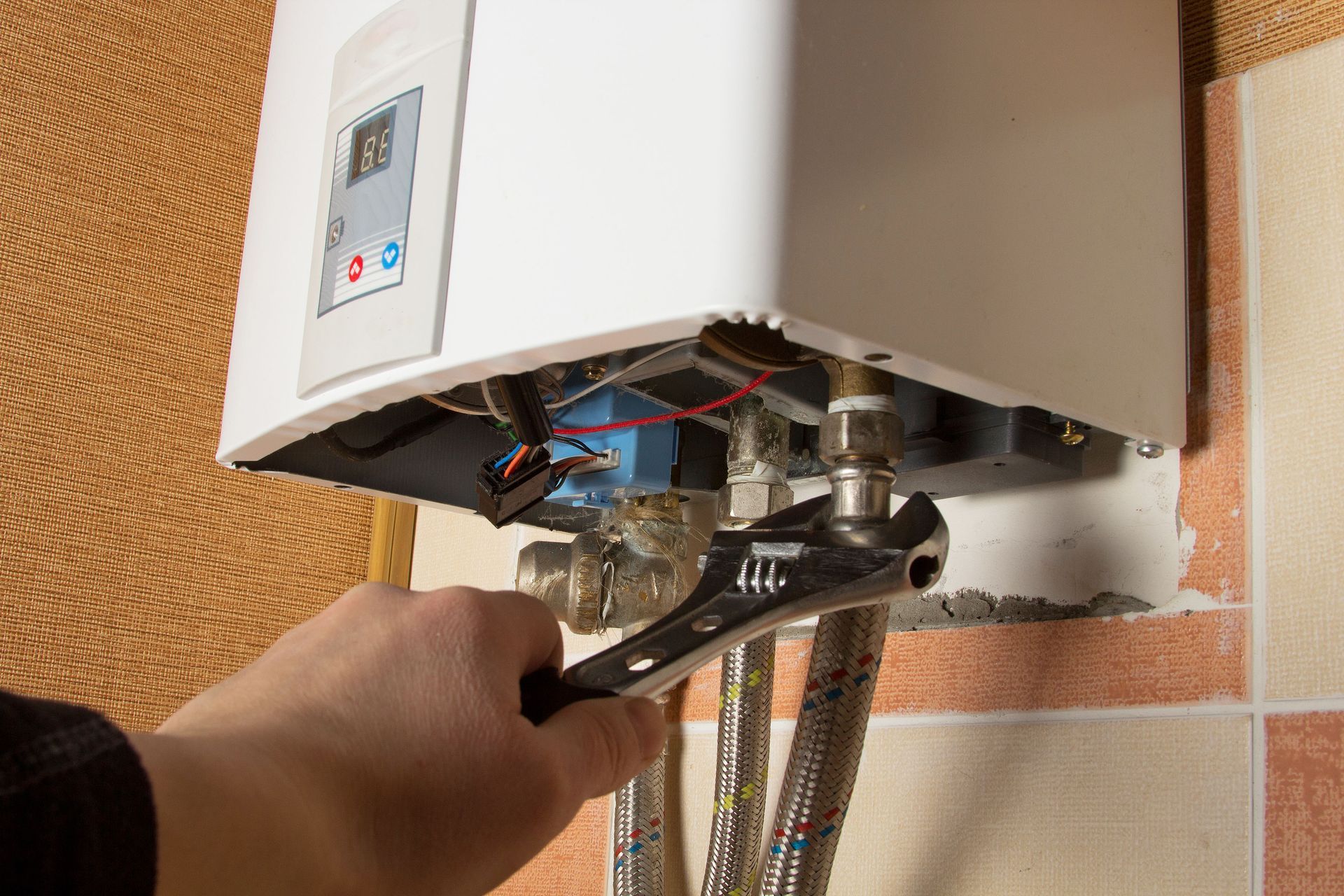
Some filtration products are simple to install, while others require plumbing knowledge or professional setup. Pitcher filters and faucet-mounted units may be suitable for basic needs. Under-sink systems, whole-home systems, and reverse osmosis units may require more careful installation. Professional installation can help make sure the system is connected properly and working as intended.
C. Regular Maintenance and Filter Replacement
Maintenance is essential for consistent water quality. Filters should be replaced according to the manufacturer’s recommendations, since old filters can become clogged or lose effectiveness. Some systems include indicators that show when service is needed. Regular upkeep helps water filtration systems continue performing well over time.
Water filtration systems offer meaningful benefits for health, home safety, and environmental responsibility. By reducing contaminants, improving taste, protecting plumbing and appliances, and cutting down on plastic waste, filtration can make everyday water use cleaner and more dependable. Whether a household chooses a basic carbon filter, a reverse osmosis system, UV purification, or a whole-home setup, the right solution can support safer routines and greater peace of mind. Contact ZSL Plumbing today to learn more about water filtration systems and their benefits.