May 1, 2026
Proper boiler installation is crucial for ensuring efficiency and reliability in home heating systems. With the growing need for energy-efficient homes, installing the right boiler type in a professional manner is more important than ever. Not only does a properly installed boiler enhance performance, but it also ensures safety and longevity. By focusing on expert installation, homeowners can achieve better heating results with minimized energy consumption.
Understanding Different Boiler Types
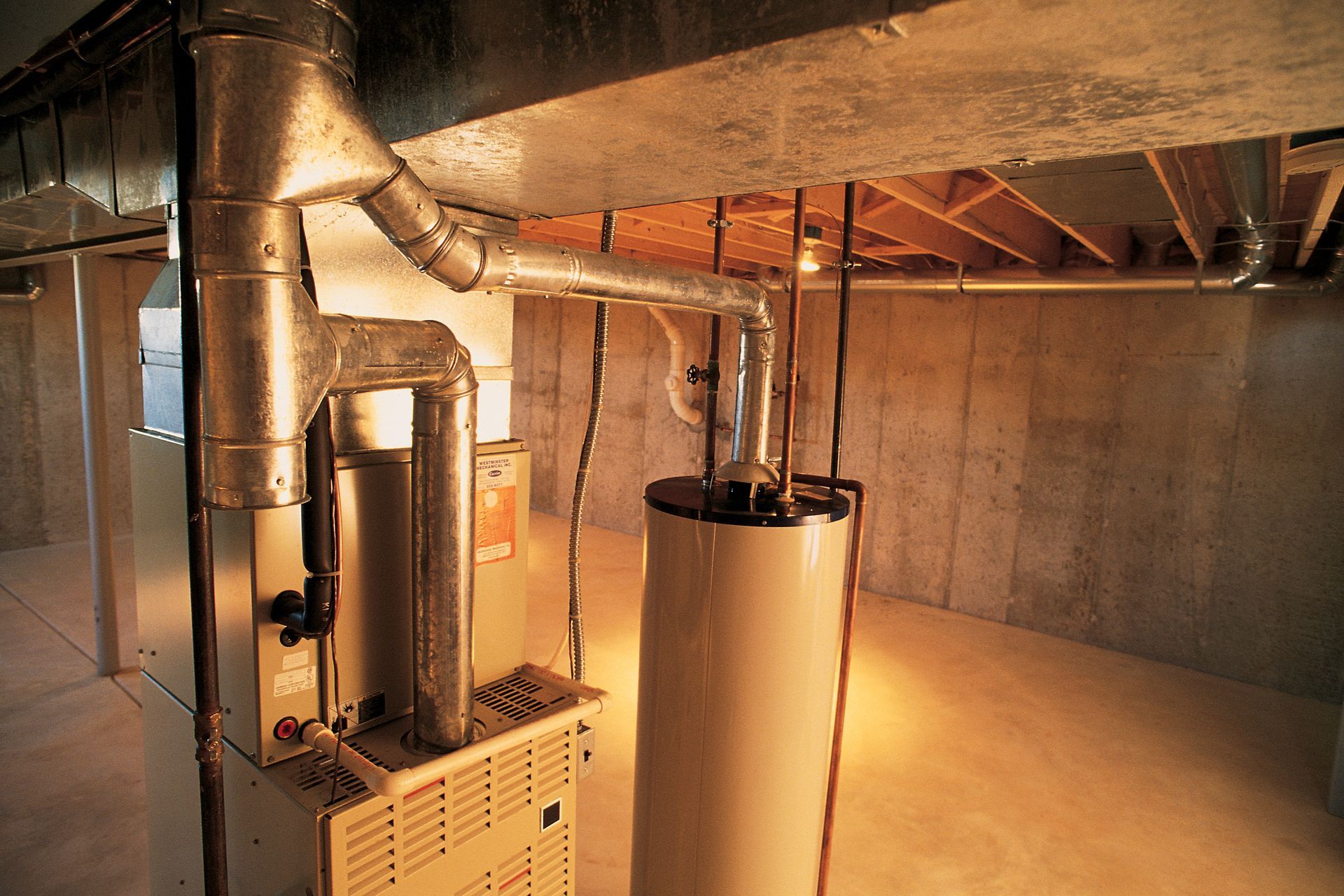
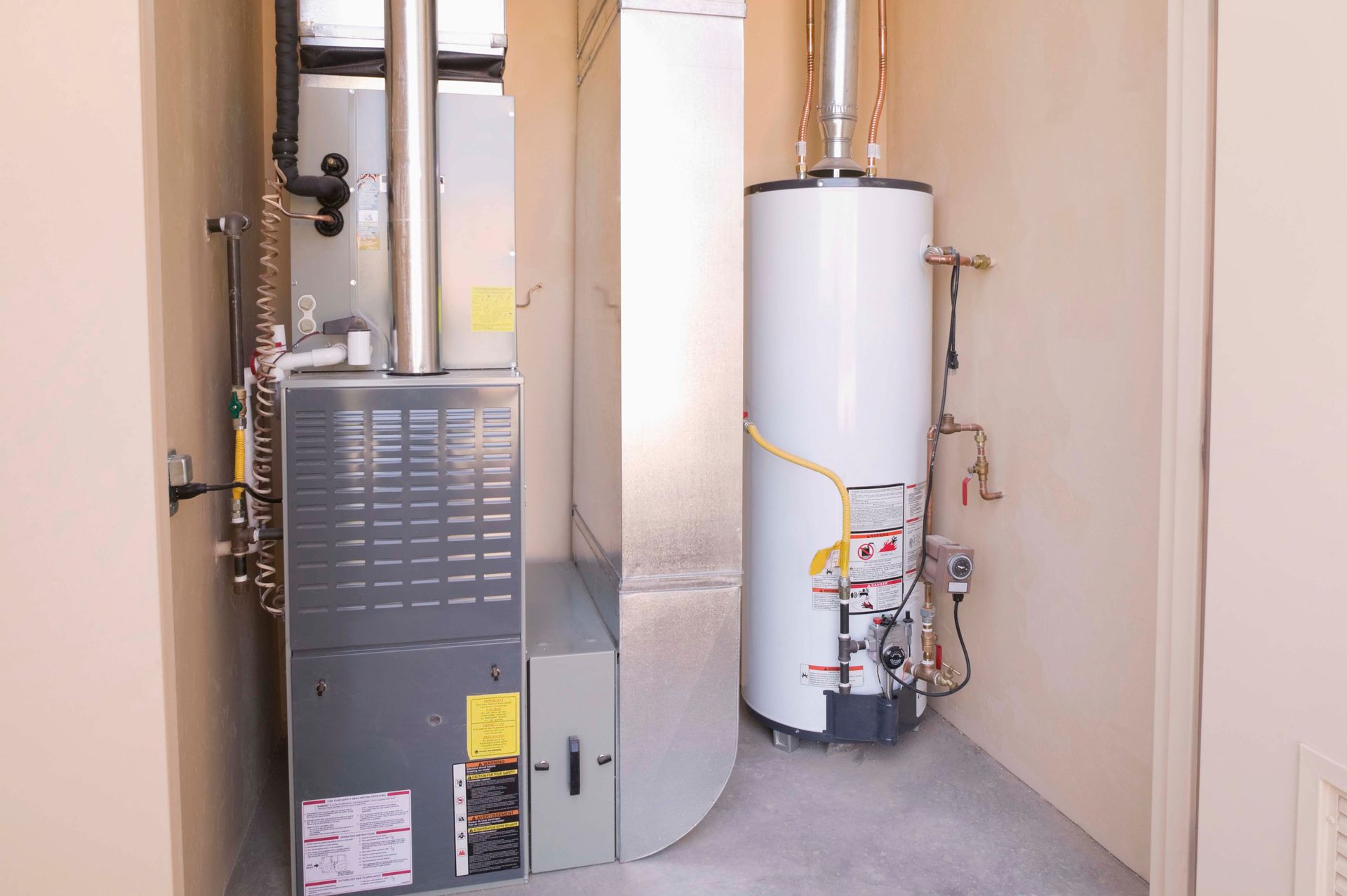
Conventional boilers, also known as traditional boilers, are especially suited for larger homes. They require a storage tank for hot water, providing consistent supply even to multiple taps used simultaneously. While these systems occupy more space, they are invaluable in households with high water demand. Conventional boilers offer reliability and stability, especially in regions facing water supply issues. According to This Old House, a well-maintained hot-water boiler can last 20 to 30 years, making it a long-term investment.
System boilers, unlike conventional boilers, integrate a water heating system but eliminate the need for a separate water tank. These boilers are adept at maintaining water pressure, making them ideal for homes with higher hot water demands. The compact nature of system boilers allows for installation in more confined areas while still delivering essential heating capabilities. The reliability of system boilers, combined with their efficient operation, offers homeowners a balanced solution regarding space and performance. Furthermore, system boilers provide an option of integration with renewable energy technologies for future considerations.
Compact and convenient, combi boilers are a great choice for homes with limited space. They combine water heating and central heating in one unit, eliminating the need for external tanks. Combi boilers are efficient, offering on-demand hot water, reducing energy waste from heating stored water. Their straightforward installation process makes them an increasingly popular choice among urban homeowners. However, it's crucial to assess the demand as combi boilers might struggle in larger homes with high simultaneous hot water usage.
Preparing for Installation
Conducting a comprehensive home energy assessment is imperative prior to a boiler installation. This allows for a detailed understanding of a household's unique heating requirements. By evaluating factors like home insulation, single-pane windows, and drafts, the assessment helps in identifying energy loss opportunities. The data collected from the assessment is fundamental in tailoring an installation plan maximizing the efficiency of the new system. Overall, preparing with an energy audit sets the stage for enhanced performance and reduced operational costs.
Heat loss calculations are critical in determining the appropriate boiler size and system efficiency. Accurate calculations consider factors such as the area of the home, construction materials, and climate conditions. By precisely estimating heat loss, homeowners can choose a boiler size that meets but does not exceed, their heating requirements, thereby reducing waste. Such calculations ensure that the system operates efficiently, cutting down on unnecessary energy expenditure.
Heating needs are dynamic; they often evolve with lifestyle changes such as family expansion or home renovations. As needs shift, so should the configuration and perhaps system type of the home's boiler installation. Proper assessment ensures that future heating demands can be met and may prevent future costly adjustments. By considering current lifestyle and anticipating changes, homeowners can make informed decisions that accommodate not just present, but also future requirements.
Observing the Installation Process
The initial stage of the boiler installation process involves meticulous planning and system layout. This stage incorporates determining the best layout for the boilers and associated piping systems. An extensive site inspection helps in understanding structural limitations and identifying suitable locations for component placement. Proper system layout aids in minimizing heat loss and ensures efficient energy transfer throughout the property. A well-thought-out plan acts as a blueprint guiding a smooth and effective installation process, emphasizing durability and performance.
Prior to installation, a set of physical and compliance checks are crucial in ensuring site readiness. This checklist includes verifying optimal placement for ventilation, examining existing water and gas supply lines, and confirming structural soundness for the boiler and components. Such proactive measures prevent potential installation challenges, ensuring safety and operational efficiency. Additionally, ensuring the site complies with all legal and safety standards is essential for a successful installation.
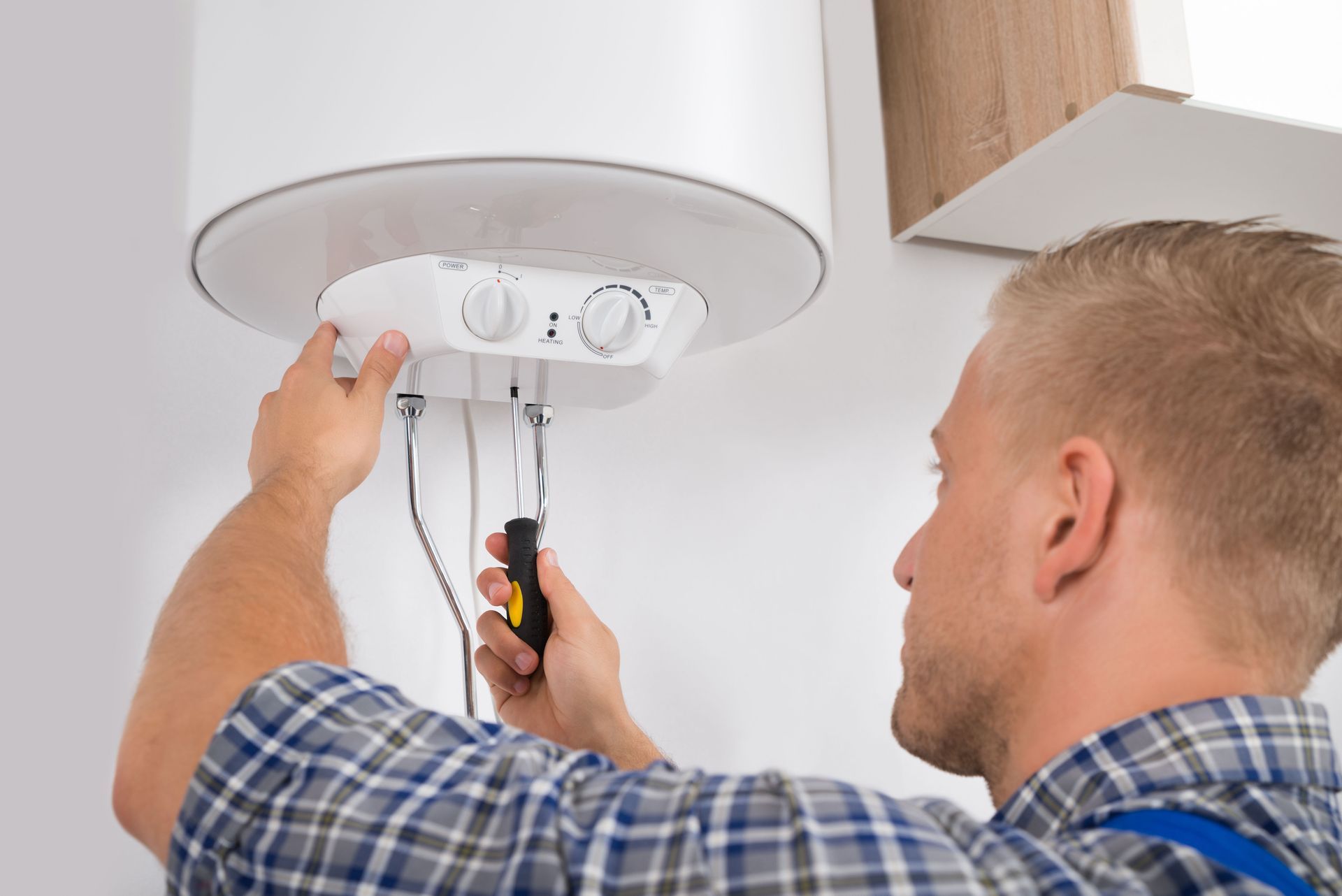
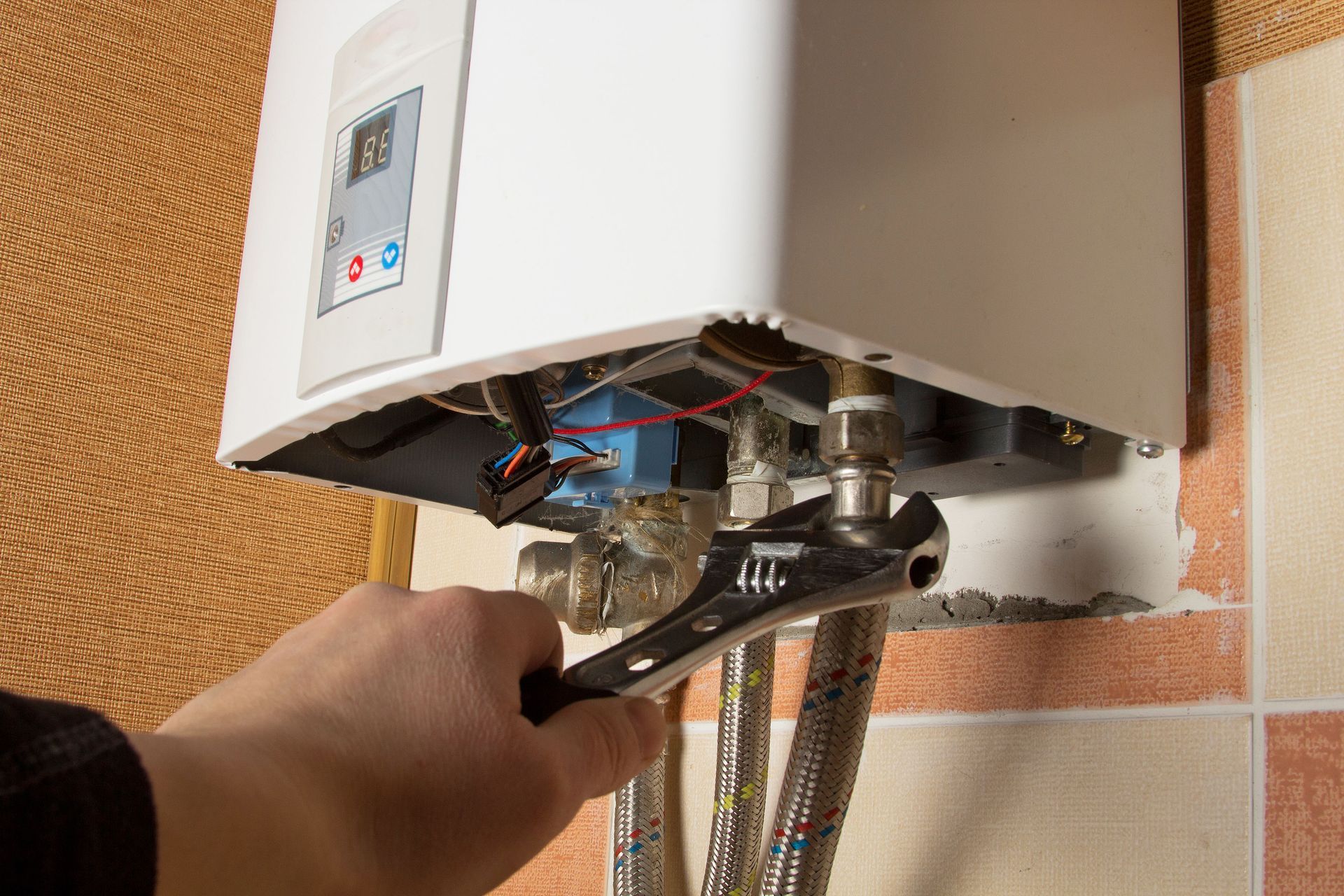
The installation process is methodical, involving numerous steps crucial for effective system setup. Initially, all necessary materials and equipment should be arranged onsite, ensuring a steady workflow. Technicians typically begin with setting the boiler in its allocated position, followed by connecting it to the predefined piping routes. Safety measures such as pressure testing should be employed to confirm robust connections and prevent future leaks.
Integrating Smart Technology
Modern thermostatic controls have revolutionized heating efficiency through the intelligent use of technology. Smart thermostats allow precise temperature management with programmable settings, adapting to a homeowner's routine. With advanced learning features, these devices optimize energy consumption by analyzing patterns and efficiently targeting heating as needed. Home integration facilitates control through smartphones, ensuring ease of use and flexibility in managing heating remotely. Such advancements not only enhance user comfort but significantly reduce energy expenditures.
Integrated energy management systems play a notable role in optimizing boiler performance. By utilizing complex algorithms and continuous monitoring, these systems adjust boiler operations to meet fluctuations in energy demand. Such technology ensures that a home's heating needs are consistently met with optimal energy efficiency, preventing unnecessary power consumption. By leveraging data analytics, energy management systems offer insights into consumption trends and present opportunities for further efficiency enhancements. They represent an evolutionary leap forward in the pursuit of sustainable home heating solutions.
The ability to remotely monitor and manage boiler systems adds a layer of convenience and control for homeowners. Advanced systems offer real-time data access, allowing instant awareness of system status and performing necessary adjustments from anywhere. This functionality is particularly beneficial in identifying anomalies promptly, ensuring that problems are addressed before escalating into significant issues. Remote management increases system longevity by maintaining optimal conditions throughout the boiler's operational life. Furthermore, it offers peace of mind knowing that heating management is always accessible and adjustable.
Troubleshooting and Maintenance
A well-established routine maintenance schedule is crucial in preserving boiler performance and preventing issues. Routine checks typically include cleaning key components, assessing connections, and inspecting for wear and tear. With consistent maintenance, boilers operate at peak efficiency, extending their lifespan substantially. An annual service check by a professional helps ensure compliance with safety regulations and uncovers potential issues before they become costly repairs. Therefore, regular maintenance routines save homeowners from the inconvenience and expenses of unexpected boiler failures.
Recognizing early indicators of boiler issues allows for prompt preventative measures and repair. Warning signs such as unusual noises, reduced heating efficiency, or leaks signal possible underlying problems. The ability to identify these symptoms early reduces the risk of systemic failures, preventing extensive damages that might necessitate expensive repairs or replacements. Maintaining vigilance and addressing these signs promptly enhances the system's longevity and operational reliability.
Understanding how to address common boiler issues is an invaluable skill for maintaining system health. Issues like low pressure, frozen pipes, or ignition failures are frequent yet manageable with basic troubleshooting techniques. Simple fixes often involve repressurizing the system or thawing pipes with relatively straightforward methods. However, it's important to know when to consult a professional for complex problems, ensuring safe and effective repairs. By equipping oneself with troubleshooting knowledge, one can address minor issues promptly, preventing their escalation.
Successful installation combines choosing the right type, advancing technology integration, and embedding a solid maintenance routine. Mindful preparation and expert execution ensure long-term efficiency and reliability, adding value to the home. Careful attention to energy assessments and evolving needs promises the system remains adaptable, retaining top-tier performance. For more information on professional
boiler installation, reach out to ZSL Plumbing. We have years of experience and friendly staff who can help you with your home needs.