June 23, 2026
Managing a modern residential property requires a thorough understanding of how mechanical utility networks, family consumption habits, and thermal efficiencies interact within your utility infrastructure. Homeowners frequently focus on tracking superficial aesthetic upgrades or choosing visible kitchen appliances while leaving their underlying water distribution systems completely unmonitored. Undertaking a new water heater installation requires analyzing several hidden engineering variables, including peak hour demand cycles, flow rate requirements, and incoming groundwater temperatures. When your domestic plumbing network is backed by an optimally sized heating unit, your household gains exceptional energy conservation benefits and a highly dependable supply of hot water.
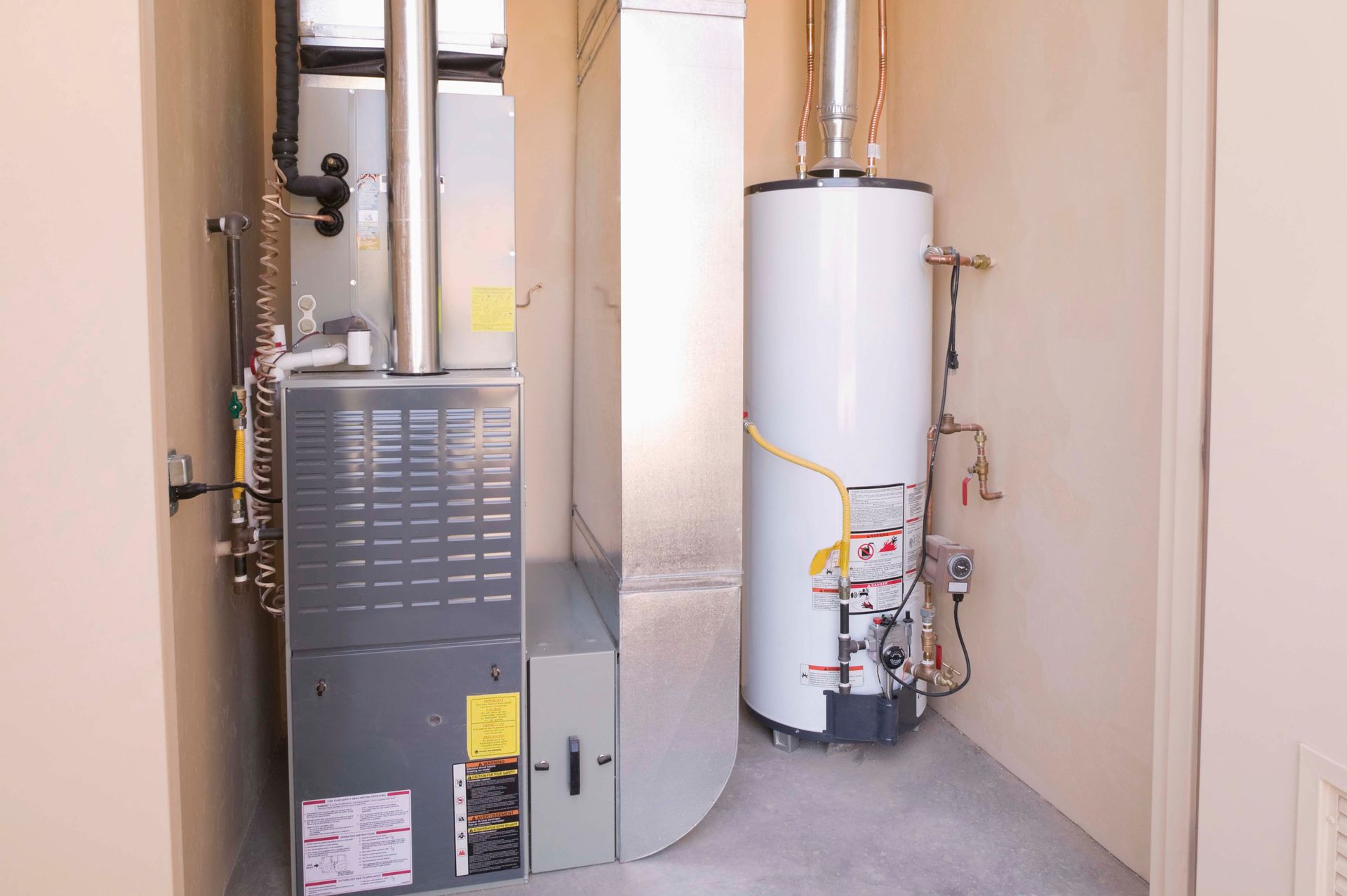
Selecting the appropriate hardware configuration depends heavily on matching a system's recovery rate with your household's daily routine. Large families that run multiple showers, laundry machines, and dishwashers simultaneously often put immense strain on traditional infrastructure, causing sudden drop-offs in water temperature. Evaluating whether your space requires a continuous-flow tankless setup or a high-capacity storage tank model represents the foundational phase of modern property management. By taking a systematic approach to analyzing your actual utility consumption patterns, you can select an appliance configuration that balances mechanical durability with your home's physical layout constraints.
Balancing Initial System Expenditures
Allocating financial resources for a new residential upgrade requires home and business owners to look past the initial retail price and analyze total lifecycle operating costs. Planning your upcoming water heater installation involves looking at the long-term trade-offs between immediate equipment costs and monthly utility bill reductions. High-efficiency systems often require a premium upfront investment due to their specialized heat exchangers, advanced burners, and dense structural insulation jackets. However, the substantial reduction in your monthly electricity or natural gas draw allows you to recover this baseline equipment capital rapidly over the operating life of the machinery.
Navigating the various financial assistance options can significantly lower the entry barrier for high-efficiency appliance deployments. Property owners should explore local municipal utility rebates, state energy incentive programs, and flexible manufacturer financing structures before finalizing a hardware contract. Utilizing these verified financial resources allows you to select advanced hybrid heat pump units or continuous-flow tankless systems without placing sudden pressure on your household budget. Balancing these financial strategies ensures you receive a highly efficient utility upgrade that protects your cash flow and adds measurable value to your underlying real estate equity.
Executing Professional Field Placements
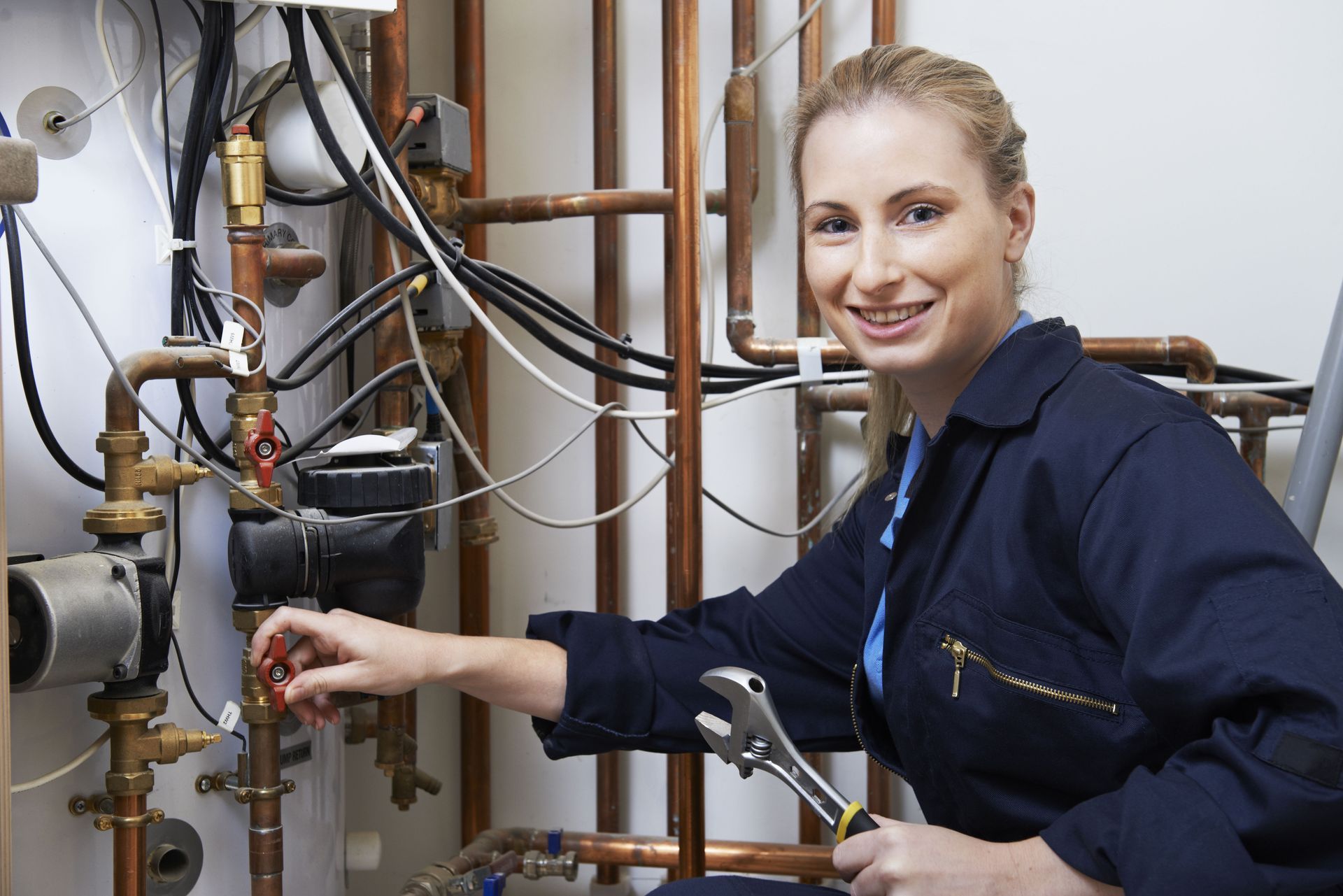
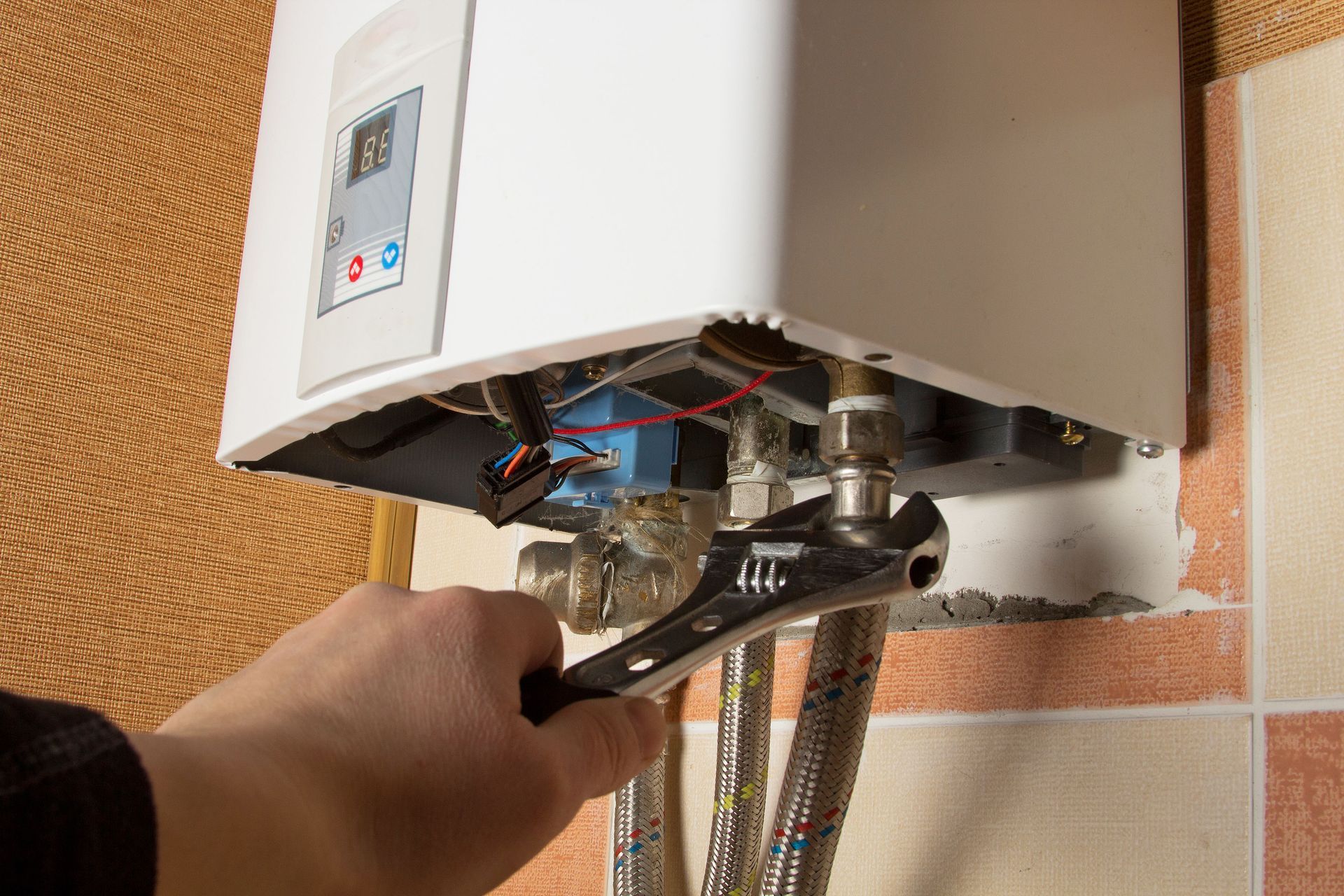
Safeguarding your home during a high-voltage or gas-powered water heater installation demands precise compliance with regional building ordinances and strict national safety standards. Attempting to handle a complex mechanical deployment through uncertified methods introduces severe hazards into a property, including hazardous carbon monoxide venting failures, high-pressure tank explosions, and catastrophic water line leaks. Professional technicians spend years mastering specialized plumbing connections, gas line pressure calibrations, and heavy-duty electrical wiring to ensure your equipment operates under safe mechanical boundaries.
- Installing specialized thermal expansion tanks to absorb high-pressure fluctuations safely.
- Calibrating gas burner draft hoods to prevent hazardous carbon monoxide back-drafting inside living spaces.
- Wiring heavy-duty electrical circuits into main panels using code-compliant overcurrent protection.
Relying on a certified field technician to manage your system integration guarantees that your appliance complies fully with all municipal plumbing codes. Professional installers handle the entire administrative process out of pocket, including securing building permits and coordinating final city inspections. This thorough approach shields homeowners from future structural code violations, ensures your property passes home inspections cleanly during real estate transfers, and provides complete confidence that your mechanical connections are structurally sound.
Implementing Preventive Maintenance Routines
Extending the operating lifecycle of your system after a water heater installation depends on your willingness to implement disciplined household maintenance habits. Over time, dissolved calcium and magnesium minerals found in local municipal water supplies precipitate out of solution during regular heating cycles, forming a rock-hard layer of scale at the bottom of the tank. This heavy mineral accumulation forms an insulating barrier between the burner assembly and the water column, forcing your system to work significantly harder and causing premature tank metal fatigue. According to a home care guide published by The Spruce, water storage units require complete flushing and visual checkups at least once every year.
Failing to clear out these interior mineral layers can cause loud knocking sounds, random temperature drops, and early element burnouts that require expensive replacement parts. Homeowners should regularly test their temperature and pressure relief valves, check the deterioration levels of their sacrificial anode rods, and inspect all external pipe couplings for minor corrosion signs. Taking a proactive approach to routine component care removes the guesswork from utility management, keeps your operational efficiency high, and stops minor component wear from turning into an expensive plumbing emergency.
Optimizing Residential Energy Efficiency
Choosing a sustainable model during your initial water heater installation lowers your ongoing operational costs while supporting broader resource conservation goals. Traditional storage models suffer from continuous standby heat loss, wasting valuable energy to keep tens of gallons of water hot when no one is home. Advanced tankless options eliminate this structural waste by using high-output burners to heat water instantly, only when a fixture is opened. Checking official Uniform Energy Factor (UEF) metrics and looking for energy certifications helps consumers select hardware that maximizes energy conversion rates.
- Reducing standby heat waste by utilizing dense, foam-insulated storage tanks.
- Lowering household energy consumption by setting the main thermostats to moderate temperature settings.
- Insulating exposed hot water distribution lines to prevent thermal loss as water moves to faucets.
Adopting these energy-conscious strategies allows households to enjoy a luxury supply of hot water while protecting the local environment from unnecessary resource consumption.
Integrating Modern Smart Automation
Upgrading to automated components during a water heater installation provides advanced thermal controls and convenient remote monitoring features. Modern smart water systems connect directly to your home's wireless network, allowing you to track energy usage, adjust temperature settings, and set operational timers directly from a smartphone application. These intelligent systems can learn your family's daily schedule, automatically lowering temperatures during working hours and raising them just before peak evening demand cycles to maximize your monthly utility savings.
Smart diagnostic setups also provide an invaluable layer of protection against unexpected structural water damage by incorporating sensitive moisture sensors and automated shutoff valves into their design. If an internal connection develops a minor leak, the system immediately cuts off the incoming water supply and sends an instant alert to your phone. Catching mechanical failures before a tank can rupture protects your basement flooring, drywall, and personal belongings from devastating water damage, transforming a standard utility appliance into a highly intelligent home asset.
Taking a proactive approach to your home's hot water system protects your framing from moisture damage, shields your family from safety hazards, and lowers your monthly power bills. Partnering with an experienced local plumbing company ensures that your flow math, gas lines, and electrical connections are configured with complete mechanical precision. Addressing aging, leaking tanks early eliminates unexpected critical care expenses, protects your manufacturer's hardware warranties, and transforms your hot water grid into a reliable, long-lasting asset for your family.
When your private residence or commercial property requires professional layout assessments, code-compliant permitting help, or a specialized water heater installation, working with a dedicated field crew delivers exceptional long-term security. Reach out to ZSL Plumbing to coordinate an on-site system inspection with our technicians.